Understanding Red Light Therapy Technology
Red light therapy has emerged as a significant therapeutic modality, utilizing specific wavelengths of light to stimulate cellular processes that promote healing and tissue regeneration. This non-invasive treatment approach has gained recognition across medical, aesthetic, and wellness applications, supported by growing scientific evidence of its effectiveness. Understanding the principles and applications of red light therapy enables practitioners and patients to optimize treatment outcomes.
Modern red light therapy devices deliver controlled photobiomodulation through precisely engineered light sources. These devices range from small treatment panels for targeted applications to full-body systems for comprehensive therapy protocols. The technology continues advancing with improved efficiency, safety, and treatment capabilities.
Scientific Foundations
Photobiomodulation Mechanisms
Red and near-infrared light penetrates tissue to reach cellular targets, primarily mitochondria where it stimulates ATP production through interaction with cytochrome c oxidase. This enhanced energy production supports cellular repair and regeneration processes. The specific wavelengths used, typically 630-670nm for red light and 810-880nm for near-infrared, correspond to optimal absorption by cellular targets.
The cascade of effects from enhanced cellular energy includes improved blood flow, reduced inflammation, and stimulation of collagen production. These mechanisms underlie the diverse therapeutic applications of photobiomodulation therapy. Understanding optimal parameters for different conditions guides effective treatment protocols.
Dosage Parameters
Treatment effectiveness depends on appropriate dosage including wavelength, irradiance, and treatment duration. Insufficient energy may fail to trigger therapeutic effects, while excessive energy can inhibit rather than stimulate healing. Clinical protocols specify parameters based on condition, treatment area, and treatment goals.
Energy density, measured in joules per square centimeter, provides the key dosage parameter. Treatment protocols typically specify 4-10 J/cm² for superficial conditions and higher doses for deeper tissue targets. Session duration depends on device irradiance and target dosage, typically ranging from a few minutes to twenty minutes per treatment area.
Clinical Applications
Dermatological Applications
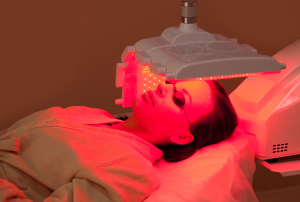
Skin health applications represent the most established use of red light therapy. Collagen stimulation improves skin texture and reduces fine lines, while enhanced circulation supports healthy skin function. Treatment protocols for skin rejuvenation typically involve regular sessions over extended periods for optimal results.
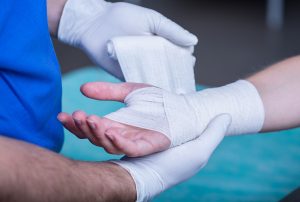
Wound healing acceleration represents another significant dermatological application. Red light therapy enhances tissue repair through improved cellular energy and circulation. Diabetic wound treatment has shown particular benefit, with clinical studies demonstrating improved healing rates compared to standard care.
Pain Management
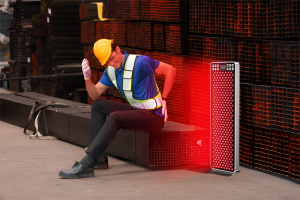
Musculoskeletal pain responds well to therapeutic light treatment through anti-inflammatory effects and enhanced tissue repair. Joint pain, muscle strains, and chronic pain conditions show improvement with appropriate protocols. The non-pharmacological nature of light therapy offers advantages for patients seeking alternatives to pain medications.
Treatment protocols for pain typically target the affected area with adequate energy delivery to reach deep tissues. Near-infrared wavelengths penetrate more deeply than visible red light, making them preferred for joint and deep tissue applications. Multiple sessions over several weeks provide cumulative benefits.
Athletic Performance and Recovery
Athletes use red light therapy for enhanced performance and accelerated recovery from training and competition. Pre-exercise treatment may improve performance through enhanced cellular readiness, while post-exercise treatment accelerates recovery through improved circulation and reduced inflammation.
Muscle recovery applications show particular promise, with studies demonstrating reduced delayed onset muscle soreness and faster return to training capacity. Professional and amateur athletes increasingly incorporate light therapy into training and recovery protocols.
Device Technology
Light Source Technologies
LED arrays dominate the red light therapy market, offering efficient, long-lasting light sources with precise wavelength control. LED devices deliver uniform irradiance across treatment areas while operating at safe temperatures for direct skin contact or close proximity treatment.
Device design considerations include wavelength accuracy, irradiance uniformity, and treatment area coverage. Quality devices specify precise wavelengths and output characteristics. Independent verification of device specifications ensures that treatments deliver intended parameters.
Treatment Panel Configurations
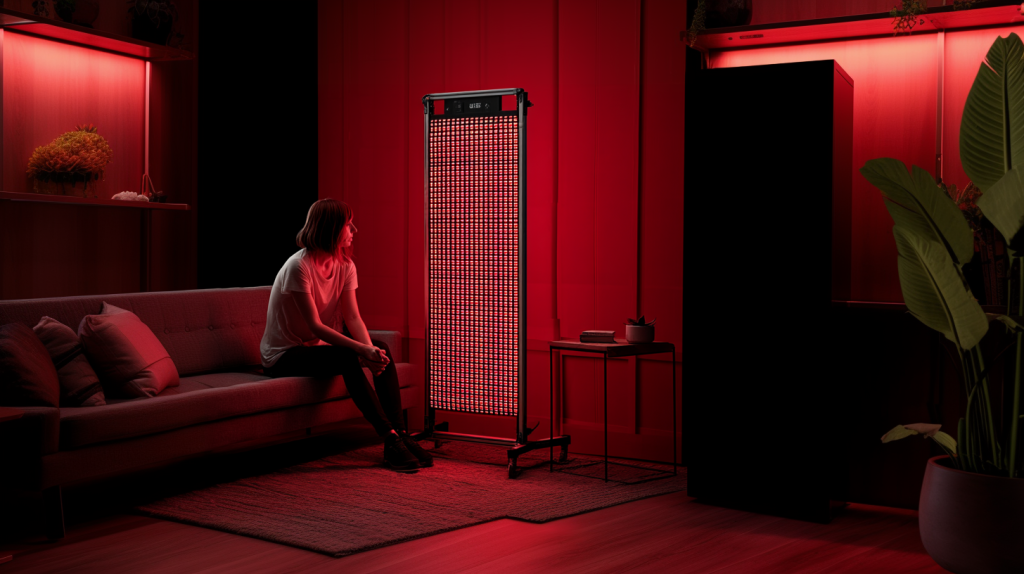
Panel devices enable treatment of larger areas compared to handheld devices. Multiple panel configurations can provide full-body treatment capabilities for comprehensive therapy protocols. Panel design balances coverage area, irradiance uniformity, and practical considerations including mounting and positioning.
Modular systems enable expansion of treatment capability as needs grow. Smaller panels serve targeted applications, while multiple-panel arrays provide comprehensive coverage. The flexibility of modular systems supports diverse treatment protocols and practice configurations.
Treatment Protocols
Session Parameters
Treatment session duration depends on target dosage and device irradiance. Higher irradiance devices deliver target energy in shorter sessions, while lower irradiance requires longer exposure times. Session frequency varies by condition, with acute conditions potentially treated daily and chronic conditions treated several times weekly.
Distance from device to treatment area affects irradiance received by the tissue. Treatment protocols specify positioning to ensure appropriate energy delivery. Consistent positioning supports reproducible treatment outcomes.
Treatment Planning
Comprehensive treatment plans consider condition severity, treatment goals, and patient factors including skin type and medication use. Initial assessment establishes baseline status and informs protocol development. Progress monitoring enables adjustment of treatment parameters based on response.
Combination therapies incorporating red light with other modalities may enhance outcomes for some conditions. Understanding interactions between light therapy and other treatments enables optimal protocol design. Clinical experience guides integration of multiple therapeutic approaches.
Safety Considerations
Eye Protection
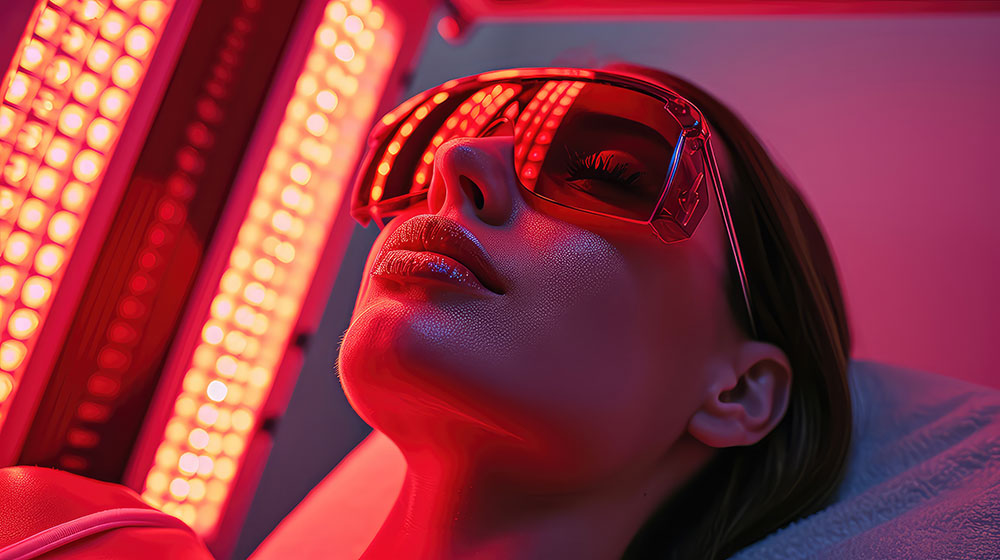
Eye protection prevents potential retinal damage from intense light exposure. Protective eyewear designed for the specific wavelengths used is essential when treating facial areas or when operators are present during treatment. Eye safety education is fundamental to proper device operation.
Treatment protocols specify eye protection requirements based on device output and treatment configuration. Direct viewing of light sources at close range poses the greatest risk, requiring particular attention to protection measures during facial treatments.
Contraindications
While red light therapy has an excellent safety profile, certain conditions warrant caution or contraindication. Photosensitivity disorders, certain medications, and pregnancy represent common considerations. Patient screening identifies factors requiring modified protocols or alternative treatments.
Cancer treatment requires careful consideration, as effects on tumor cells remain under investigation. Current guidance typically recommends avoiding treatment directly over known malignancies. Consultation with oncology specialists guides appropriate use in cancer patients.
Clinical Integration
Practice Implementation
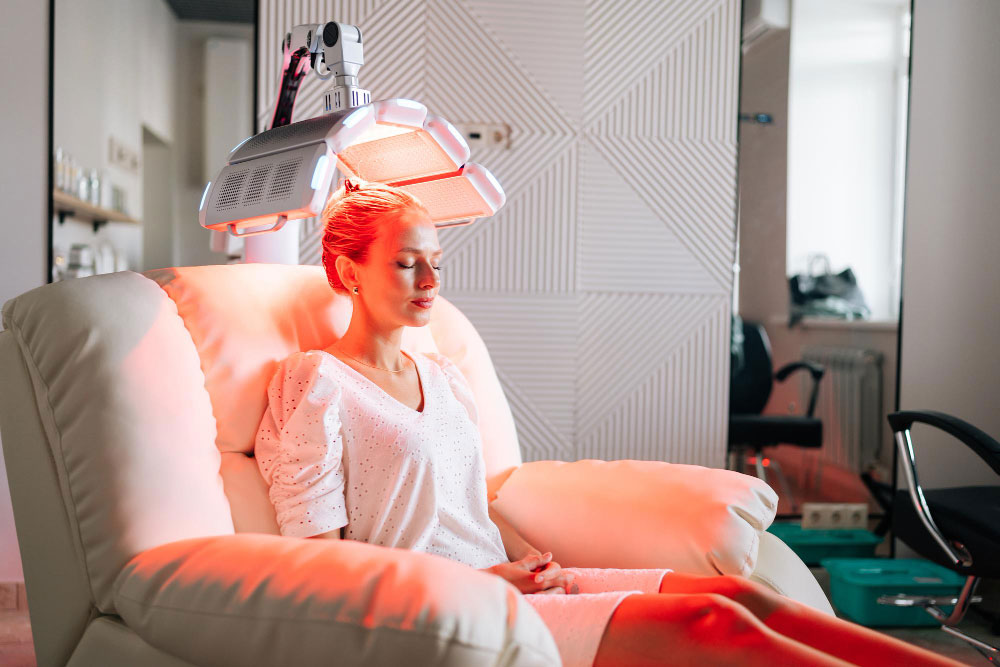
Integrating red light therapy into clinical practice requires appropriate space, equipment, and training. Treatment area setup considers device positioning, patient comfort, and operator workflow. Staff training ensures proper device operation and treatment delivery.
Documentation systems track treatment parameters and outcomes, supporting quality improvement and outcome analysis. Standardized protocols ensure consistent treatment delivery while enabling customization for individual patient needs.
Patient Education
Patient understanding of treatment expectations supports compliance and satisfaction. Education covers treatment process, expected outcomes, and realistic timelines for results. Informed patients actively participate in their treatment, enhancing outcomes.
Home device users require guidance on proper device operation and treatment protocols. Clear instructions support safe and effective self-treatment. Follow-up communication addresses questions and enables protocol adjustments based on response.
Future Developments
Emerging Applications
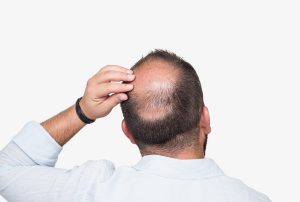
Research continues to explore new applications for red light therapy. Neurological applications including cognitive enhancement and mood disorders show promising preliminary results. Hair restoration applications target follicle stimulation for improved hair growth.
Technology Advances
Continued device development improves efficiency, treatment capabilities, and user experience. Smart devices with integrated dosimetry and treatment planning assistance enhance precision and ease of use. Connectivity features enable remote monitoring and protocol optimization.
Conclusion
Red light therapy represents a valuable therapeutic modality with established applications and emerging possibilities. Understanding the science, clinical applications, and proper protocols enables effective integration into treatment approaches.
Quality devices from reputable manufacturers ensure that treatments deliver intended parameters. Working with experienced providers and following evidence-based protocols optimizes outcomes across the diverse applications of this evolving technology.