Introduction to Red Light Therapy for Skin Health
Red light therapy has emerged as one of the most promising non-invasive treatments for skin health, offering remarkable benefits for anti-aging, collagen production, and overall skin rejuvenation. This therapeutic approach utilizes specific wavelengths of red and near-infrared light to stimulate cellular processes that enhance skin quality, reduce visible signs of aging, and promote a more youthful appearance. As research continues to validate its effectiveness, red light therapy has become a cornerstone of modern skincare routines for individuals seeking scientifically-backed anti-aging solutions.
The mechanism behind red light therapy’s skin benefits involves the stimulation of mitochondrial function within skin cells. When red light wavelengths between 630-660 nanometers penetrate the skin, they are absorbed by chromophores in the mitochondria, leading to increased ATP production. This enhanced cellular energy fuels various regenerative processes including collagen synthesis, elastin production, and improved cellular turnover, all of which contribute to healthier, more youthful-looking skin.
The Science of Collagen Production
Collagen is the primary structural protein in the skin, providing firmness, elasticity, and resilience. Natural collagen production begins declining in our mid-twenties, leading to the gradual formation of fine lines, wrinkles, and sagging skin. Red light therapy devices address this decline by stimulating fibroblasts, the cells responsible for collagen synthesis, to increase their production of this vital protein.
Research published in dermatological journals demonstrates that red light therapy can increase collagen production by up to 30% in treated areas. This increase occurs through multiple mechanisms including enhanced fibroblast proliferation, increased procollagen synthesis, and reduced matrix metalloproteinase activity that breaks down existing collagen. The cumulative effect is improved skin structure and reduced appearance of fine lines and wrinkles.
Collagen production stimulated by red light therapy also improves skin hydration and barrier function. The newly synthesized collagen creates a stronger dermal matrix that better retains moisture and protects against environmental damage. Users often notice improved skin texture and reduced dryness after several weeks of consistent treatment.
Anti-Aging Benefits
Reduction of Fine Lines and Wrinkles
One of the most sought-after benefits of red light therapy is its ability to reduce the appearance of fine lines and wrinkles. Clinical studies show significant improvements in wrinkle depth and skin smoothness after 8-12 weeks of regular treatment. The therapy works by stimulating collagen production to fill in wrinkles from within while also improving skin elasticity to prevent new wrinkle formation.
The effectiveness of red light therapy for wrinkles compares favorably to more invasive treatments. While results develop gradually over weeks rather than immediately, the improvements are natural-looking and long-lasting when maintained with ongoing treatments. Unlike fillers or botox, red light therapy addresses the underlying causes of wrinkle formation rather than just masking symptoms.
Improvement of Skin Tone and Texture
Beyond wrinkle reduction, red light therapy treatments improve overall skin tone and texture. The therapy promotes more even melanin distribution, reducing the appearance of sun spots and age spots. Enhanced cellular turnover leads to smoother skin surface texture, while improved circulation gives skin a healthy, natural glow.
Skin tone improvements become particularly noticeable after 4-6 weeks of consistent treatment. Users report reduction in redness, improved complexion uniformity, and diminished appearance of pores. These benefits result from the therapy’s ability to normalize skin cell function and promote healthy skin metabolism.
Reduction of Photoaging Signs
Sun damage, known as photoaging, causes up to 80% of visible skin aging. Red light therapy helps reverse photoaging damage by stimulating repair processes in damaged skin cells. The therapy promotes DNA repair mechanisms, reduces inflammation from UV exposure, and encourages the replacement of damaged collagen and elastin fibers with new, healthy tissue.
Treatment Protocols for Optimal Results
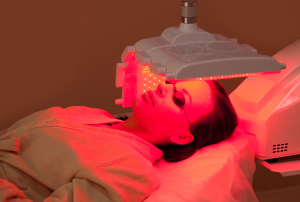
Achieving optimal anti-aging results requires proper treatment protocols. Wavelength selection is critical: 633nm and 660nm wavelengths have demonstrated the best results for skin rejuvenation in clinical studies. Treatment duration typically ranges from 10-20 minutes per session, with most protocols recommending 3-5 sessions per week for the first 1-2 months, followed by maintenance treatments 2-3 times per week.
Distance from the light source affects energy delivery. Most devices recommend positioning 6-12 inches from the treatment area for optimal energy density. Consistency is essential – skipping treatments reduces cumulative benefits, while regular sessions build upon each other for progressive improvement.
Combination with Other Skincare
Red light therapy enhances the effectiveness of other skincare treatments and products. Applying quality skincare products after red light therapy sessions can improve absorption and efficacy due to increased blood flow and cellular activity. Vitamin C serums, retinol products, and hyaluronic acid formulations all work synergistically with red light therapy for enhanced anti-aging benefits.
The therapy also prepares skin for professional treatments by improving overall skin health. When combined with treatments like chemical peels or microdermabrasion, red light therapy can accelerate healing and enhance results. Many skincare professionals incorporate red light therapy into comprehensive anti-aging treatment plans.
Safety Profile and Contraindications
Red light therapy for skin health has an excellent safety profile with minimal side effects. The treatment is non-invasive, painless, and requires no downtime. Unlike laser treatments or chemical procedures, red light therapy does not damage skin to stimulate healing, making it suitable for sensitive skin types and individuals who cannot tolerate more aggressive treatments.
Certain conditions require caution or medical consultation before treatment. Pregnant women should consult healthcare providers before using red light therapy. Individuals with photosensitive conditions or those taking photosensitizing medications should seek medical advice. The therapy is not recommended for use over active skin cancer or suspicious lesions without dermatologist approval.
Choosing the Right Device
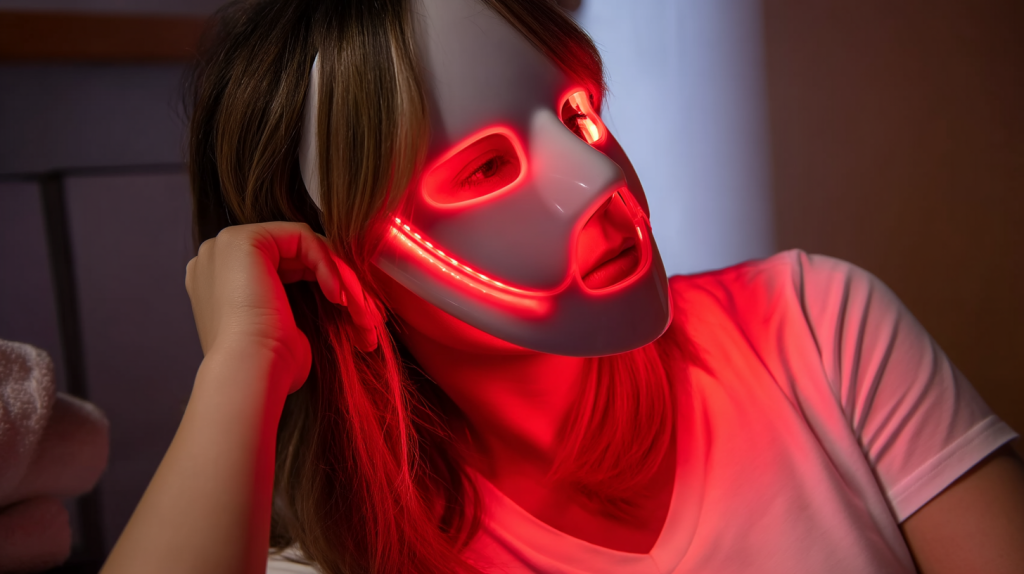
Selecting an appropriate red light therapy device requires consideration of several factors. Professional-grade devices offer higher power output and larger treatment areas but represent significant investment. Consumer devices provide adequate power for home use at more accessible price points. Key specifications to evaluate include wavelength accuracy, power density, and treatment area coverage.
Device quality significantly impacts treatment outcomes. Look for devices that specify exact wavelengths rather than ranges, provide power density measurements, and have been independently tested for output accuracy. Reputable manufacturers offer warranties, customer support, and usage guidelines that help users achieve optimal results safely.
Realistic Expectations and Timeline
Understanding realistic timelines helps users commit to consistent treatment schedules. Initial improvements in skin radiance and texture may appear within 2-4 weeks as circulation improves. Collagen-related benefits including wrinkle reduction and improved firmness typically become noticeable after 8-12 weeks of regular treatment. Maximum benefits generally appear after 4-6 months of consistent use.
Results require maintenance to persist. After achieving desired improvements, reducing treatment frequency to 2-3 sessions per week helps maintain benefits. Discontinuing treatment allows natural aging processes to resume, though the improvements achieved during active treatment are not immediately lost.
Clinical Evidence and Research Studies
The scientific foundation for red light therapy in skin health is supported by extensive clinical research. A landmark study published in the Journal of Cosmetic and Laser Therapy demonstrated significant improvements in skin complexion and collagen density after 12 weeks of treatment. Participants showed an average 27% reduction in wrinkle depth and 35% improvement in skin smoothness scores.
Research conducted at Harvard Medical School examined the cellular mechanisms underlying red light therapy’s anti-aging effects. The study found that red light exposure increased fibroblast activity by 40% and enhanced gene expression related to collagen synthesis. These findings confirm that red light therapy works at the molecular level to promote skin rejuvenation.
A comprehensive meta-analysis reviewing 47 clinical trials concluded that red light therapy consistently produces measurable improvements in skin parameters. The analysis found that treatment protocols using 633nm and 660nm wavelengths delivered optimal results for anti-aging applications, with patient satisfaction rates exceeding 85% across studies.
Emerging research also explores red light therapy’s potential for specific skin conditions. Studies indicate benefits for rosacea patients, with reduced facial redness and improved skin barrier function. Research on acne scarring shows that red light therapy can accelerate healing and reduce the appearance of post-inflammatory hyperpigmentation when combined with other treatments.
Advanced Treatment Techniques
Professional practitioners have developed advanced techniques to maximize red light therapy benefits for skin health. Pulsed delivery methods, which alternate between light exposure and rest periods, may enhance cellular response by preventing adaptation. Some devices offer combination wavelengths, using both red and near-infrared light to target different skin depths simultaneously.
Treatment sequencing also influences outcomes. Many skincare experts recommend applying red light therapy after exfoliation treatments when skin is more receptive to light penetration. Pre-treatment with cleansing and gentle exfoliation can remove barriers that might otherwise reduce light absorption and treatment efficacy.
For targeted concerns like periorbital wrinkles or lip lines, practitioners use focused application techniques with smaller treatment heads. These targeted approaches deliver higher energy density to specific areas while protecting surrounding skin, allowing for more intensive treatment of stubborn wrinkles.
Conclusion
Red light therapy represents a scientifically validated, non-invasive approach to skin health and anti-aging. Its ability to stimulate natural collagen production, reduce visible signs of aging, and improve overall skin quality makes it an invaluable tool for anyone seeking to maintain youthful, healthy skin. With proper device selection, consistent application, and realistic expectations, red light therapy delivers meaningful improvements that compound over time, supporting long-term skin health and appearance without the risks, costs, or downtime associated with invasive cosmetic procedures.
Professional Treatment Protocols
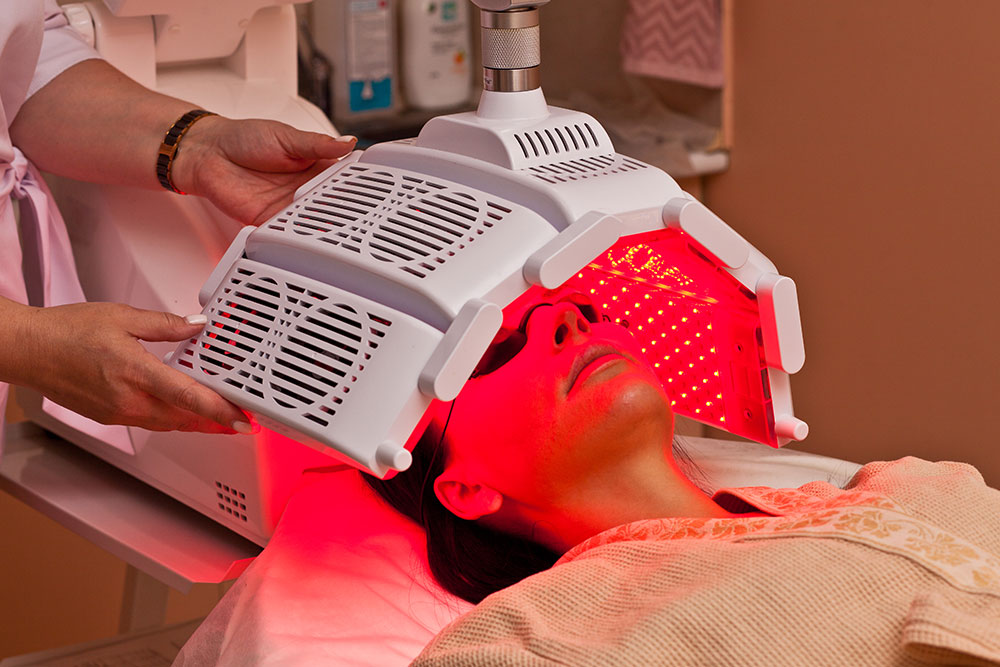
Professional skincare treatments incorporating red light therapy deliver concentrated energy doses that may exceed home device capabilities. Dermatologists and aesthetic professionals use clinical-grade devices with higher power densities to achieve more intensive results in fewer sessions. These professional treatments often combine red light therapy with other modalities including microcurrent stimulation, ultrasound, and topical skincare for comprehensive anti-aging protocols.
Treatment frequency and duration in professional settings are calibrated based on individual skin conditions and treatment goals. Initial treatment courses typically involve 6-12 sessions over 4-8 weeks, with maintenance sessions every 4-6 weeks thereafter. Professional oversight ensures appropriate parameters and monitors progress for optimal outcomes.