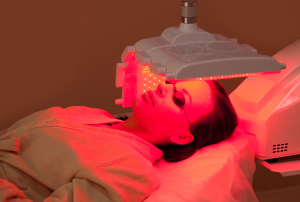
Red light therapy for wound healing offers a non-invasive, drug-free approach to accelerating tissue repair and reducing recovery time. Photobiomodulation therapy, the scientific term for red light treatment, stimulates cellular energy production and promotes natural healing processes that benefit patients recovering from surgery, injuries, and chronic wounds.
How Red Light Therapy Accelerates Wound Healing
Red light therapy works at the cellular level to enhance the body's natural healing mechanisms. When red and near-infrared light penetrates the skin, it interacts with mitochondria—the energy-producing organelles within cells. This interaction stimulates increased ATP production, providing cells with more energy to perform repair functions efficiently.
Cellular Mechanisms
Enhanced ATP Production
Red light wavelengths between 630-660nm and near-infrared wavelengths from 810-850nm optimize mitochondrial function. Increased ATP synthesis provides fibroblasts and keratinocytes with the energy needed for rapid cell division and tissue reconstruction. Research shows that cells exposed to therapeutic light produce up to 30% more ATP than untreated cells.
Improved Circulation
Photobiomodulation stimulates nitric oxide release, causing vasodilation and improved blood flow to injured areas. Enhanced circulation delivers more oxygen and nutrients while removing metabolic waste products that can impede healing. This vascular response begins within minutes of treatment initiation.
Reduced Inflammation
Red light therapy modulates inflammatory cytokines, reducing excessive inflammation that delays wound closure. This balanced inflammatory response creates optimal conditions for tissue regeneration without the damaging effects of chronic inflammation. Studies demonstrate significant reductions in IL-6 and TNF-alpha markers following treatment.
Types of Wounds That Benefit from Red Light Therapy
Surgical Incisions
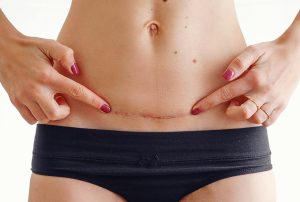
Post-surgical wounds heal faster with red light treatment. Studies demonstrate reduced scarring, decreased infection rates, and faster return to normal activities when photobiomodulation is applied to surgical sites. Treatment protocols typically involve daily sessions for 1-2 weeks following surgery, with most patients reporting noticeable improvement within 48 hours.
Diabetic Ulcers
Chronic diabetic foot ulcers respond well to red light therapy treatment. The enhanced cellular activity and improved circulation address the underlying vascular and neurological impairments that make diabetic wounds difficult to heal. Clinical protocols often combine red light therapy with standard wound care for optimal outcomes, with published research showing healing rates improving by 40-60% compared to standard care alone.
Traumatic Injuries
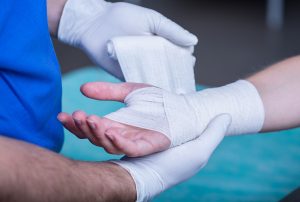
Cuts, abrasions, and deeper lacerations heal more rapidly with photobiomodulation. The therapy reduces pain, minimizes scarring, and accelerates the inflammatory, proliferative, and remodeling phases of wound healing. Emergency medicine practitioners increasingly recommend light therapy as a complementary approach for acute injury management.
Burns
Thermal injuries benefit from red light therapy's ability to reduce inflammation, stimulate collagen production, and promote epithelial cell migration. Treatment can begin once acute inflammation subsides and continues throughout the healing process, typically yielding measurable improvement in healing time and scar quality.
Treatment Protocols and Parameters
Wavelength Selection
Most wound healing applications use wavelengths between 630-660nm (red) or 810-850nm (near-infrared). Deeper wounds benefit from near-infrared penetration reaching 2-5cm into tissue, while superficial wounds respond well to red wavelengths that target surface-level cellular activity.
Treatment Duration and Frequency
Session times typically range from 10-20 minutes per treatment area. Longer sessions do not necessarily improve outcomes and may reduce effectiveness due to the biphasic dose response characteristic of photobiomodulation. Acute wounds benefit from daily or twice-daily treatments during the initial healing phase. Chronic wounds may require treatments 3-5 times per week for several weeks, with frequency adjusted based on healing progress.
Distance and Coverage
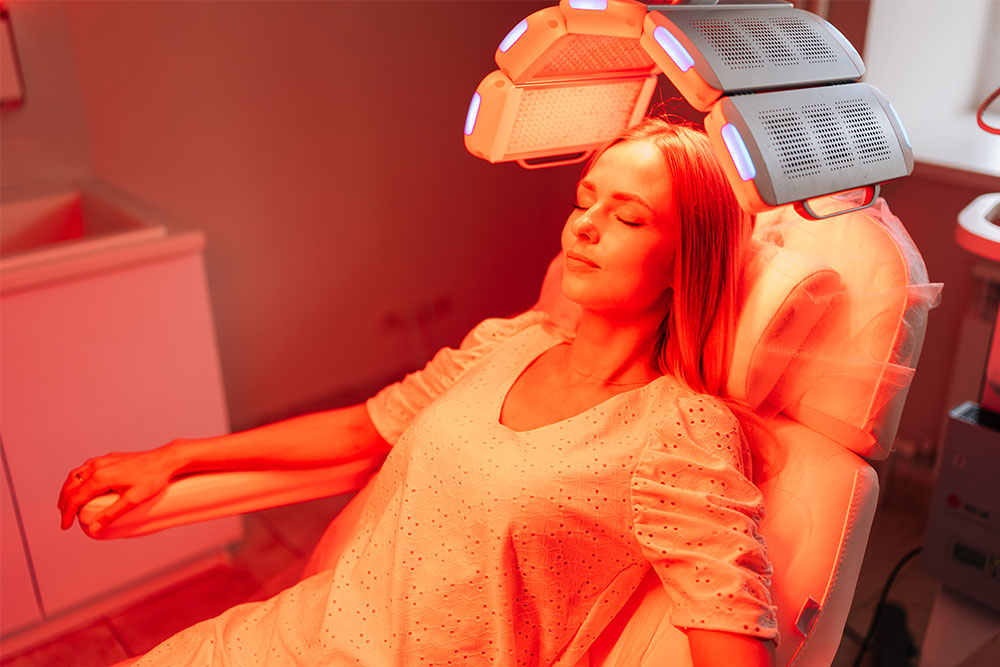
LED panels should be positioned 6-12 inches from the wound surface for optimal energy delivery. Treatment area should extend beyond wound margins to stimulate peripheral tissue and support comprehensive healing. Consistent positioning ensures repeatable dosing across treatment sessions.
Clinical Evidence and Research
Numerous clinical studies support red light therapy for wound healing. Research demonstrates 30-50% faster healing times for surgical incisions, significant improvement in diabetic ulcer closure rates, and enhanced outcomes for traumatic injuries. Meta-analyses confirm photobiomodulation as an effective adjunct therapy for various wound types. The evidence base includes over 500 published studies, with consistent findings across diverse wound categories and patient populations.
Safety Considerations
Red light therapy has an excellent safety profile when used correctly. Treatment should avoid direct eye exposure, and patients with photosensitivity conditions or taking photosensitizing medications should consult healthcare providers before use. Professional guidance ensures appropriate parameters for specific wound types and patient conditions. There are no reported serious adverse events from properly administered photobiomodulation therapy in the published literature.
What to Expect During Treatment
Patients typically experience a gentle warming sensation during treatment sessions. Visible improvements in wound appearance often become apparent within 3-7 days of starting treatment, with more significant healing progress evident after 2-3 weeks of consistent therapy. Individual results vary based on wound type, patient health, and treatment adherence.
Photographic documentation of wound progress helps track healing and adjust treatment parameters as needed. Record wound dimensions and appearance at regular intervals to objectively assess treatment effectiveness.
Conclusion
Red light therapy provides a scientifically validated approach to accelerating wound healing through enhanced cellular energy production, improved circulation, and optimized inflammatory responses. Whether treating surgical incisions, chronic ulcers, or traumatic injuries, photobiomodulation offers a safe, effective complement to standard wound care protocols. As research continues to refine treatment parameters, red light therapy is increasingly recognized as a valuable tool in wound management across medical settings.
Choosing the Right Red Light Device for Wound Care
Selecting an appropriate device ensures effective treatment outcomes. Key factors include wavelength accuracy, power output density, and treatment area coverage. Medical-grade devices typically provide verified wavelength specifications and consistent power output, while consumer devices may vary in quality and performance.
Power Density Considerations
Effective wound healing requires power densities between 5-50 mW/cm² at the treatment surface. Lower densities may not trigger sufficient cellular response, while excessive density can produce diminishing returns. Always verify manufacturer specifications and measure actual output when possible.
Device Types for Wound Care
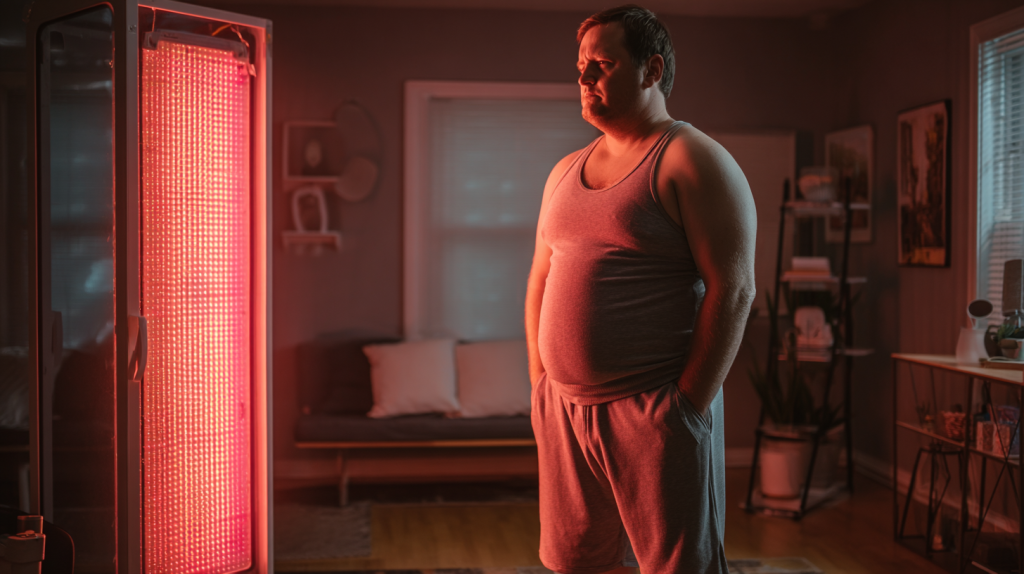
Handheld devices work well for small, localized wounds. Panel devices offer hands-free operation and cover larger treatment areas, making them practical for post-surgical recovery or extensive injuries. Flexible wrap-style devices conform to body contours for consistent contact during treatment.
Combining Red Light Therapy with Standard Wound Care
Red light therapy works best as a complement to conventional wound management, not a replacement. Proper wound cleaning, appropriate dressings, and infection control remain essential. Photobiomodulation enhances the effectiveness of these standard practices by accelerating the biological processes that drive healing.
Coordinate treatment timing with dressing changes to maximize convenience and ensure the light reaches the wound surface directly. Most clinicians recommend applying red light therapy immediately after wound cleaning and before applying fresh dressings.
What to Expect During Treatment
Patients typically experience a gentle warming sensation during treatment sessions. Visible improvements in wound appearance often become apparent within 3-7 days of starting treatment, with more significant healing progress evident after 2-3 weeks of consistent therapy. Individual results vary based on wound type, patient health, and treatment adherence.
Photographic documentation of wound progress helps track healing and adjust treatment parameters as needed. Record wound dimensions and appearance at regular intervals to objectively assess treatment effectiveness.
Understanding the Science Behind Photobiomodulation
The therapeutic effects of red light on wound healing stem from fundamental photochemical processes. When photons of specific wavelengths interact with cellular chromophores—primarily cytochrome c oxidase in mitochondria—they trigger a cascade of beneficial reactions. This process differs fundamentally from thermal laser treatments that work through heat-induced tissue effects.
Mechanism of Action
Light absorption by cytochrome c oxidase displaces nitric oxide from its binding site, allowing increased electron transport and enhanced ATP production. The released nitric oxide also promotes local vasodilation, improving blood flow to the treatment area. These primary effects trigger secondary responses including reduced oxidative stress, enhanced growth factor expression, and improved cell migration to the wound site.
Biphasic Dose Response
Photobiomodulation exhibits a biphasic dose response, meaning that insufficient energy produces no therapeutic effect while excessive energy can paradoxically reduce effectiveness. This characteristic underscores the importance of using appropriate treatment parameters. Most clinical protocols have been optimized to deliver energy within the therapeutic window that produces maximum benefit without adverse effects.
Professional guidance from healthcare providers ensures appropriate treatment parameters for specific wound types and patient conditions. As research continues to refine optimal wavelengths, power densities, and treatment schedules, red light therapy protocols will become increasingly effective for diverse wound healing applications.