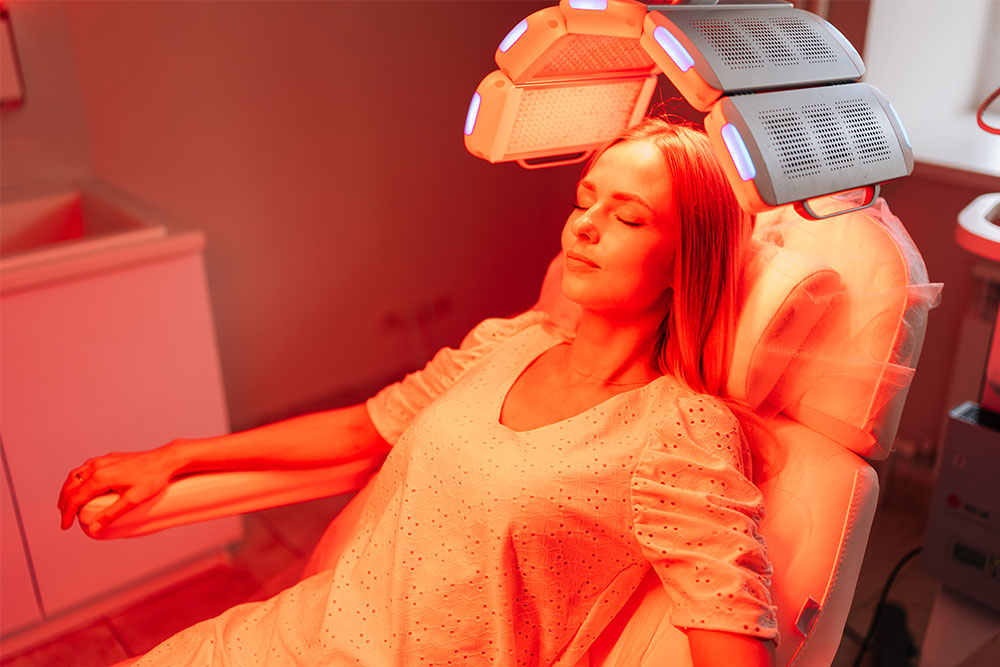
The full body red light panel has revolutionized the way people access red light therapy at home. These large-format devices deliver therapeutic red and near-infrared light to the entire body simultaneously, offering a convenient and effective solution for wellness enthusiasts, athletes, and those seeking natural health interventions.
What Is a Full Body Red Light Panel?
A full body red light panel is a large LED device that emits red light (typically 630-670nm) and near-infrared light (810-880nm) wavelengths. Unlike smaller targeted devices, these panels provide comprehensive coverage, allowing users to treat their entire body in a single session. The technology behind these panels has evolved significantly over the past decade, making professional-grade phototherapy accessible to home users.
How Red Light Therapy Works
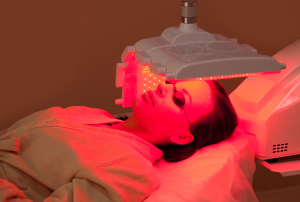
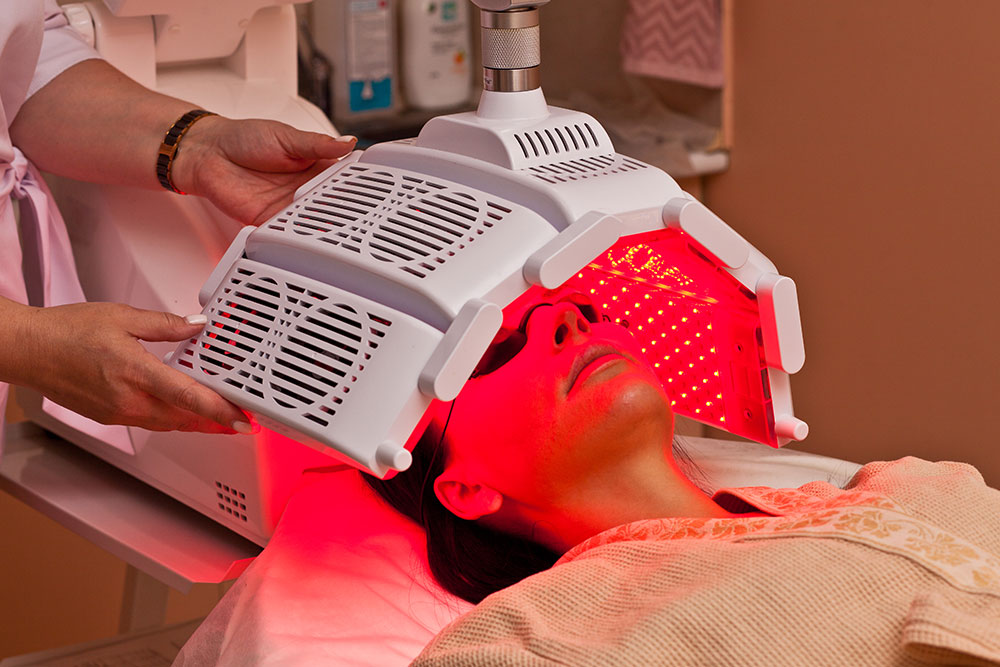
Red light therapy, also known as photobiomodulation (PBM) or low-level laser therapy (LLLT), works at the cellular level. When red and near-infrared light penetrates the skin, it interacts with mitochondria—the energy-producing organelles within cells. This interaction stimulates the production of adenosine triphosphate (ATP), the primary energy currency of cells, leading to enhanced cellular function and regeneration.
The mechanisms by which red light therapy produces its benefits include:
- Enhanced ATP Production: More energy available for cellular processes
- Improved Blood Circulation: Better oxygen and nutrient delivery
- Reduced Oxidative Stress: Lower levels of damaging free radicals
- Modulated Inflammation: Balanced inflammatory response
- Stimulated Collagen Synthesis: Improved skin structure and elasticity
Key Benefits of Full Body Treatment
Red light therapy benefits extend across multiple body systems and health domains. Full body panels maximize these benefits by treating multiple areas simultaneously, offering a time-efficient approach to comprehensive wellness.
Skin Health and Rejuvenation
Red light therapy has been extensively studied for its effects on skin health. Clinical research demonstrates that regular exposure can improve skin texture, reduce the appearance of fine lines and wrinkles, and enhance overall skin tone. The stimulation of fibroblasts—cells responsible for collagen production—leads to improved skin structure and elasticity.
Muscle Recovery and Athletic Performance
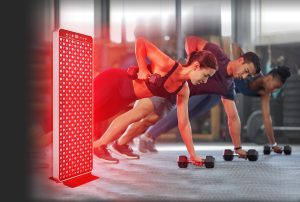
Athletes and fitness enthusiasts increasingly incorporate red light therapy into their recovery protocols. Studies show that pre-exercise exposure can enhance performance, while post-exposure accelerates recovery by reducing muscle soreness and inflammation. Full body panels allow comprehensive treatment of all muscle groups in a single session.
Pain Management and Inflammation
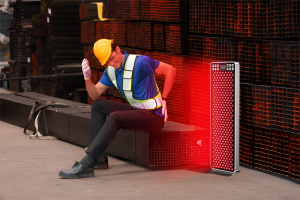
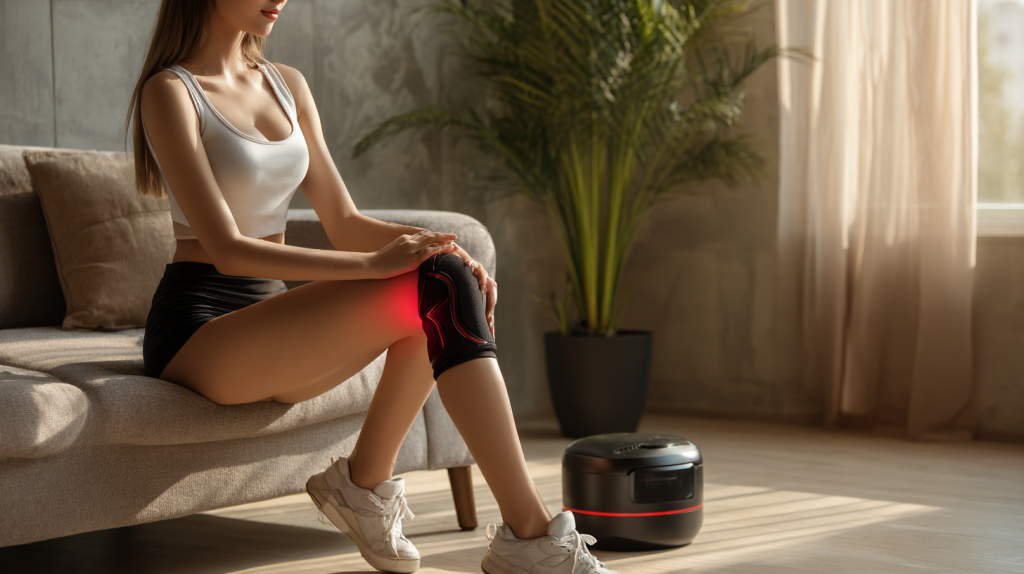
Chronic pain conditions, including arthritis, fibromyalgia, and general musculoskeletal discomfort, may benefit from regular red light therapy sessions. The anti-inflammatory effects of red and near-infrared light can provide relief without the side effects associated with pharmaceutical interventions.
Sleep Quality and Circadian Rhythm
Emerging research suggests that red light therapy may positively influence sleep patterns. By supporting natural melatonin production and helping regulate circadian rhythms, evening sessions with a red light therapy device may contribute to improved sleep quality.
Choosing the Right Full Body Panel
When selecting a red light therapy panel, several factors warrant careful consideration:
Wavelength Accuracy
The therapeutic benefits of red light therapy depend on specific wavelengths. Red light in the 630-670nm range and near-infrared light in the 810-880nm range have demonstrated the most significant biological effects. Ensure that any panel under consideration delivers these wavelengths with appropriate precision.
Power Density
Power density, measured in milliwatts per square centimeter (mW/cm²), determines the intensity of light delivered to tissues. Higher power densities generally allow for shorter treatment times, but must be balanced against safety considerations and individual sensitivity.
Panel Size and Coverage
Full body panels vary significantly in size. Larger panels provide more comprehensive coverage but require more space and typically cost more. Consider your available space, treatment goals, and budget when selecting panel dimensions.
Safety Certifications
Look for panels that have undergone independent safety testing and carry relevant certifications. FDA clearance, CE marking, and other regulatory approvals provide assurance of product safety and quality.
Effective Usage Guidelines
To maximize the benefits of your full body red light panel, follow these evidence-based guidelines:
Treatment Duration
Most research suggests treatment durations of 10-20 minutes per session. Longer sessions do not necessarily provide additional benefits and may increase the risk of overexposure. Start with shorter sessions and gradually increase as you become accustomed to the treatment.
Treatment Frequency
For general wellness and skin health, 3-5 sessions per week typically provide optimal results. Athletes or those recovering from injury may benefit from more frequent sessions. Consistency is more important than intensity—regular, moderate exposure produces better results than occasional intensive sessions.
Distance and Positioning
Position yourself 6-12 inches from the panel for optimal light delivery. The inverse square law applies—doubling the distance reduces light intensity by approximately 75%. Ensure that target areas receive direct light exposure without clothing or other barriers.
Timing Considerations
Many users prefer morning sessions to support energy and alertness throughout the day. Evening sessions may support sleep quality but should be completed at least one hour before bedtime to avoid potential circadian disruption.
Safety Considerations
Red light therapy is generally considered safe when used as directed. However, certain precautions apply:
- Eye Protection: While red light is less damaging than blue light, direct eye exposure should be avoided. Use protective eyewear if recommended by the manufacturer.
- Skin Sensitivity: Some individuals may experience temporary redness or warmth. These effects typically resolve quickly.
- Medical Conditions: Consult a healthcare provider before use if pregnant, have photosensitivity disorders, or take photosensitizing medications.
- Device Quality: Use only devices from reputable manufacturers that provide clear usage instructions and safety information.
Conclusion
Full body red light panels represent a significant advancement in at-home phototherapy, offering an efficient and effective way to access the numerous benefits of red and near-infrared light therapy. From skin rejuvenation to muscle recovery, pain management to sleep support, these devices provide a versatile tool for comprehensive wellness.
By understanding the science behind red light therapy, selecting an appropriate device, and following evidence-based usage guidelines, users can maximize the benefits of this innovative technology. As research continues to expand our understanding of photobiomodulation, full body panels will likely play an increasingly important role in personal health and wellness strategies.